
Operations · Field note 01
The Friday-night POS test.
A POS does not optimize a restaurant by producing more dashboards. It helps when the common path is fast, the odd cases are recoverable, and everyone sees the same version of the order.
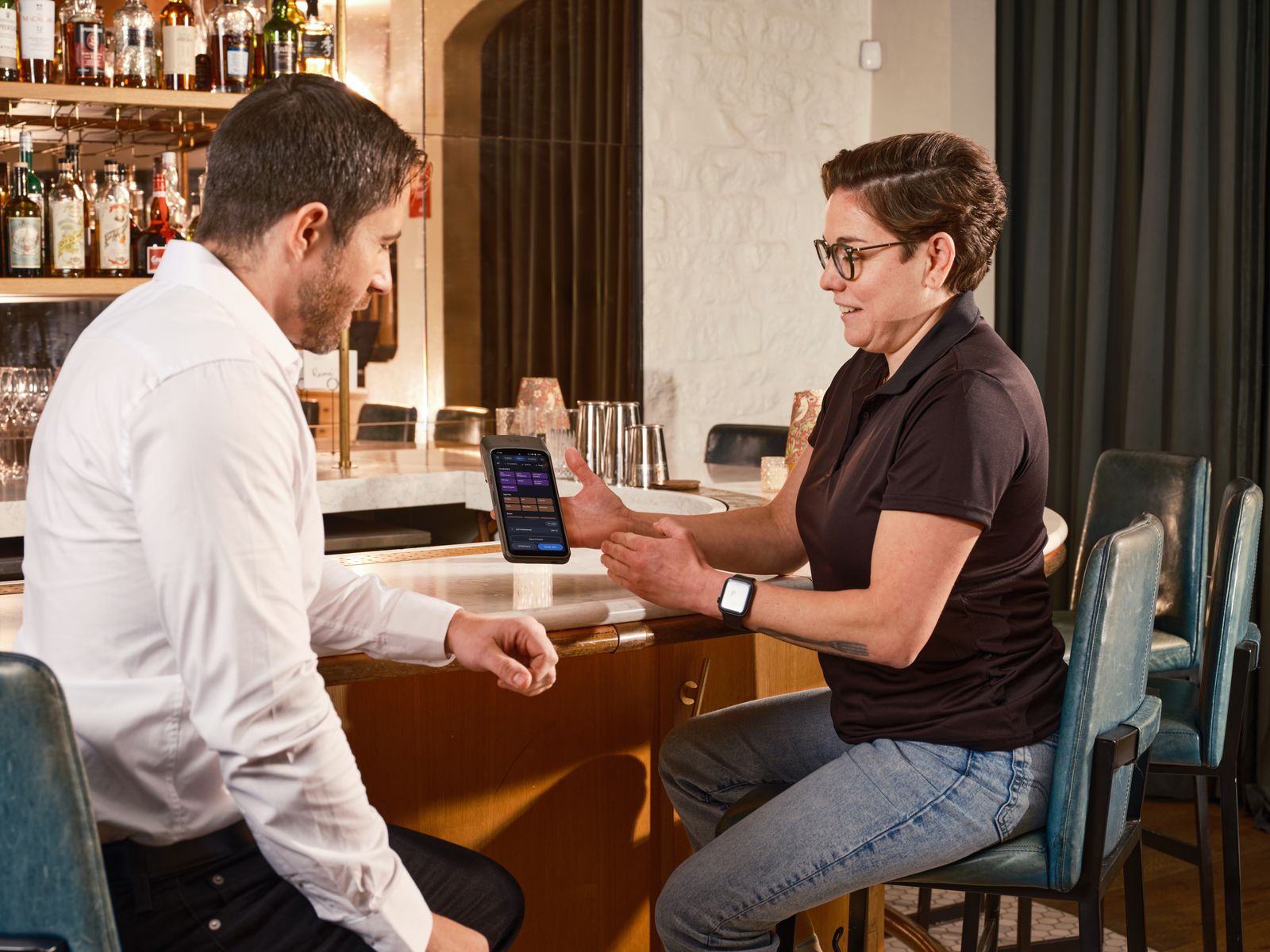
Run this test with your real menu, your real printer, and the person who will use the till when three tables arrive at once. Twenty focused minutes will tell you more than a polished demo.
Start with a deliberately awkward order
Ring in two mains, remove an ingredient, add an extra, hold one course, split the bill, move the table, then reopen the ticket. This is not an edge case invented by a product manager. It is Tuesday.
Count the moments when the operator hesitates. A hesitation usually points to one of three things: the menu structure is unclear, the action is hidden, or the system does not match the way the restaurant actually works.
Follow the ticket, not the feature list
The order is only useful if the kitchen receives the right version. Change a modifier after firing. Add a late item. Cancel one line. Make sure the kitchen display or printed ticket makes the change impossible to miss.
Then stand on the other side of the pass. Can the kitchen tell what is new, what changed, how long it has been waiting, and what belongs together? If a cook must shout to the counter for context, the software has moved the confusion instead of removing it.
The best handoff is boring: the right item, at the right station, with the change impossible to miss.
Test the close, because that is where small messes become accounting work
Settle one ticket with cash, one with card, and one with a split payment. Apply a discount with a reason. Void an item after payment and see what the audit trail records. Print a receipt twice. Close the shift.
You are looking for a clean answer to four questions: who performed the action, what changed, when it changed, and how the total was affected. A POS should make exceptions visible without making normal service painful.
Ask tomorrow’s questions today
Before looking at every report, write down the decisions you actually make. How many portions should we prep? Which menu item is moving but not contributing enough? Why were discounts high on one shift? Did a stockout remove a popular item during peak hours?
If a report cannot support a decision, it is decoration. Begin with a short daily review and a deeper weekly review. Keep the definitions stable so a “net sales” number means the same thing to the owner, accountant, and manager.
Break something on purpose
Disconnect the internet. Turn off the receipt printer. Close and reopen the app. Use the backup instructions to restore a copy on another device. The goal is not to prove that failures never happen; it is to make recovery familiar before the restaurant is full.
Where FloPOS fits
FloPOS gives you the core pieces for this test: tables and open tickets, modifiers, kitchen display, receipt printing, staff access, and local SQLite data. Its open-source license means you can inspect and adapt the system instead of waiting for a vendor roadmap.
That control comes with responsibility. Taxes, payment hardware, backups, security updates, and local compliance still need an owner. Start with the installation guide, then use the security checklist before going live.
Continue reading
Technology is useful when the operating model stays clear.
Next, look at what is genuinely changing in 2026 and what open-source ownership does, and does not, solve.
No sales call. No card.
Run the test with FloPOS
Install it, load a real menu, and run a full service before you trust it with a Friday night.